
Table of Contents
Previously considered medical waste and disposed of with the placenta, umbilical cord blood has since proven to be an important biological resource, as it is the highest known source of haematopoietic stem cells. This resource has opened up new avenues in the field of stem cell transplants and therapies. The present article attempts to dispel any doubts regarding the safety of the cord blood collection and preservation procedure when conducted according to recommended guidelines.
The Collection Process in a Nutshell
Collection of cord blood happens in the “third stage” of labour, i.e., after the baby is born, but the mother has not yet delivered the placenta. Since it is drawn from the umbilical cord after it has been clamped and cut, cord blood collection during delivery is a painless, non-invasive procedure for the mother and baby.
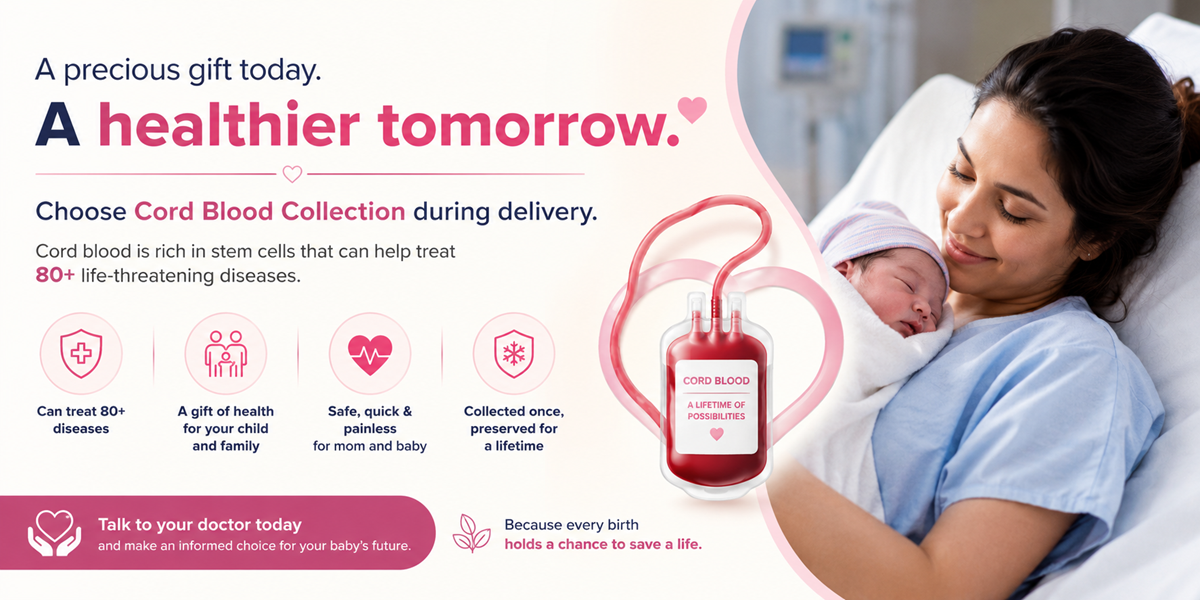
The procedure:
- The umbilical cord is clamped in two places and cut after the baby has been delivered.
- A needle is then inserted into the umbilical vein (in the portion still attached to the placenta).
- The healthcare provider collects 40-120 mL of cord blood into a sterile collection bag.
- The mother then delivers the placenta as is normally done.
As a baby is in the care of a paediatrician or nurse and the mother is preoccupied with the final stage of delivery, she usually does not even notice the quick, 3-10 minute procedure.
Maternal Safety
When it comes to maternal health, cord blood collection safety is the foremost concern for phlebotomists at pioneering cord blood banking institutes. In general, there is no risk involved in cord blood collection. The procedure does not affect the delivery of the third stage or increase the risk of postpartum haemorrhage. There are no nerve endings in the cord itself; thus, no pain is felt by the mother when the blood is drawn. The cord blood banking safety for mother and baby is infallible in cases of both vaginal delivery and C-section delivery. The only true risk to the mother is that a brief distraction may occur or that the desired delivery plan could be modified if an emergent need arose and cord blood collection could not be performed.
Considering the Safety of the Neonatal
It is normal for parents to be concerned for the safety and health of the newborn, which is why the cord blood collection process prioritises the baby’s well-being while deciding when to clamp the umbilical cord.
Cord Clamping Debate
Delayed Cord Clamping (DCC) requires clamping the umbilical cord sometime within 30 to 60 seconds after birth (or until it stops pulsing). This allows additional blood from the placenta to transfer to the baby, supporting healthy iron stores during the first few months of life.
At the same time, cord blood banking offers families the opportunity to preserve valuable stem cells that may play an important role in future medical treatments. With proper planning and coordination between parents and healthcare providers, it is often possible to balance delayed cord clamping with successful cord blood collection.

Many healthcare professionals follow practices that support both neonatal well-being and stem cell preservation. However, if cord clamping is delayed for an extended duration, the volume of cord blood available for storage may be reduced, which can affect the quality of the collected sample. Therefore, discussing preferences with the medical team before delivery helps create a birth plan that prioritises the baby’s health while also maximising the benefits of cord blood banking.
Key Baby Safety Facts
There are no side effects of cord blood collection either on the baby or the new mother.
- Non-Invasive process – The needle does not touch the baby, and blood is taken from the cord, once the baby has been moved away, to a warming bed or mother’s chest.
- No Physiological Impact – Cord blood collection does not affect the baby’s heart rate, breathing, or immediate postnatal adaptation.
Important Considerations and Limitations
Although the procedure is considered to be safe, the collection process does not occur every time. Some instances where a medical provider will refrain from collecting cord blood include:
- Obstetrics Emergencies: This happens with patients experiencing a placental abruption, maternal bleeding, or a foetus in distress, and the medical team will then focus on procedures vital to survival over stem cell collection after birth.
- Active Infection: An active maternal infection, like chorioamnionitis or intra-amniotic infection, and active herpes simplex virus will cause the unit to be nonviable for use.
- Sample Vitality: For cord blood to be useful, a significant amount of total nucleated cells (TNC) must be collected. When a baby is born prematurely, or there is a significant delay in cord clamping, there may not be enough TNC in the sample.

Conclusion
Cord blood collection provides a safe and painless way of storing life-saving stem cells for future use without physically harming the childbirth process. Meeting with a healthcare provider by the 34th week of pregnancy enables the parents and the physician to establish a birth plan that is in the best interest of the child and considers all the potential benefits that come from storing their cord blood.