Table of Contents
- Why Does Third Trimester Fatigue Get Worse?
- Physical Changes Triggering Extreme Tiredness
- Emotional and Mental Factors for Low Energy:
- How to Deal with Third Trimester Tiredness
- 1. Prioritise Rest and Sleep
- 2. Eat a Balanced Diet
- 3. Light Exercise
- 4. Divide Tasks into Smaller Parts
- 5. Seek Emotional Support
- When Energy Levels May Increase
- Conclusion
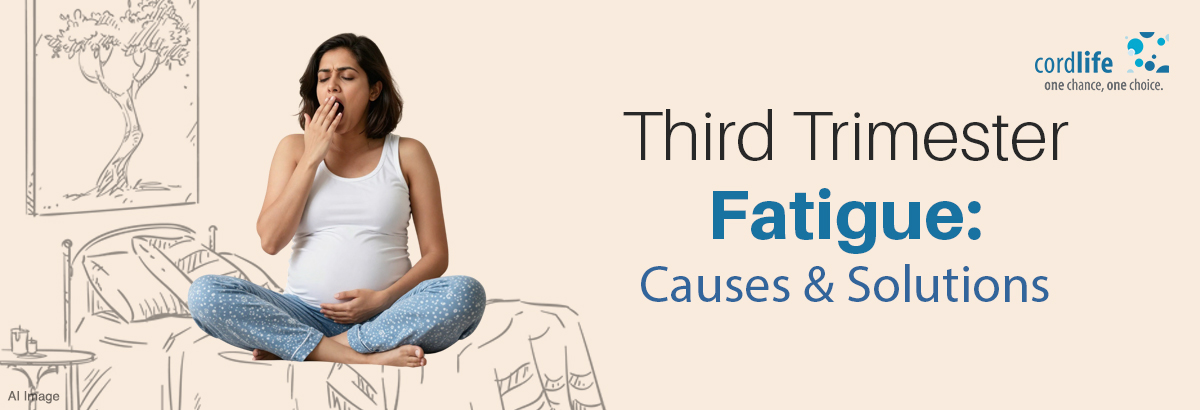
While pregnancy is wonderful, the final few weeks can be taxing on both the body and mind. Many pregnant women feel exhausted throughout the third trimester. Even after a full night’s sleep, you may feel as though your energy has not returned. As the body prepares for childbirth, new challenges emerge.
Third-trimester fatigue is common in pregnancy. Since your body is working harder, you may experience fatigue in the 8th month or 9th month. Understanding and managing your fatigue can help you enjoy your final pregnancy to its full bounty.
Why Does Third Trimester Fatigue Get Worse?
The final trimester is physically demanding. The mother’s body works harder to accommodate the baby’s rapid development. Hormonal changes, stress, and emotional expectations all contribute to fatigue in the final months of pregnancy.
Your body requires more energy to support the developing baby, which can make you tired in the third trimester. The body produces more blood as the baby grows and prepares for birth. Moms can become tired because these activities require a lot of energy.
Sleep issues are also prevalent. Many moms-to-be experience difficulty sleeping over the last three months. Rest can be challenging when you have leg cramps, back pain, or need to use the restroom frequently. Subsequently, low energy in the third trimester becomes a reality for many expecting mothers.
Physical Changes Triggering Extreme Tiredness
Many physical changes in the last few months of pregnancy can cause fatigue during the third trimester. One of the most noticeable changes is the baby’s weight gain. This extra weight strains the spine, joints, and muscles, making even simple tasks exhausting.
The growing uterus puts a strain on the lungs and bladder. This pressure can make it difficult to breathe and cause you to pee excessively, preventing you from sleeping properly. If you don’t sleep well, you may feel tired all day.
Hormones also have an effect. High levels of progesterone, which are required for a healthy pregnancy, can lead to fatigue. Hormonal changes contribute to persistent third-trimester fatigue that may worsen over time.
Emotional and Mental Factors for Low Energy:
Later-stage pregnancy fatigue extends beyond physical exhaustion. Mental and emotional factors can contribute to late-pregnancy fatigue. As the due date approaches, many expectant mothers experience anxiety or excitement about giving birth, delivering, and parenting.
Waiting makes it difficult to sleep and relax. Some women stay awake at night worrying about changes, which can exacerbate their third-trimester fatigue.
Signs of Extreme Fatigue
You may feel tired in the final months of your pregnancy, but severe symptoms could indicate a problem. Still feeling weak in the ninth month of pregnancy, having difficulty breathing, or feeling dizzy? Do not ignore these symptoms.
Anaemia, dehydration, and nutrient deficiencies can all contribute to increased fatigue. Extreme fatigue may worsen during the third trimester.
If you are too tired to complete your daily tasks, consult a doctor. It is critical to monitor both the mother’s and the baby’s health during the final stages of pregnancy.
How to Deal with Third Trimester Tiredness
You may still be tired, but changing your daily routine can give you more energy during pregnancy.
1. Prioritise Rest and Sleep
Get sufficient sleep. Try getting to bed earlier and taking short daytime naps. Supportive pillows can help you sleep more comfortably and relieve nighttime pain.
2. Eat a Balanced Diet
Maintaining energy in the third trimester necessitates healthy eating. Balanced meals rich in iron, protein, and complex carbohydrates help to keep energy levels stable. Drink plenty of water to prevent dehydration, which can weaken you in the ninth month of pregnancy.
3. Light Exercise
Rest is essential, but light exercise can help boost energy. Walking or prenatal yoga promotes circulation and reduces fatigue. Light exercise can help you stay healthy and reduce fatigue in your final months of pregnancy.
4. Divide Tasks into Smaller Parts
In your eighth month of pregnancy, daily tasks can appear difficult. Instead of attempting to complete everything at once, break it down into manageable steps. It saves energy and lowers stress.
5. Seek Emotional Support
Talking to loved ones or support groups relieves mental stress. When you’re tired in the final month of your pregnancy, emotional support can help reduce anxiety and improve sleep.
When Energy Levels May Increase
Many pregnant women experience energy changes. People may experience increased motivation and energy in the final trimester. Some women may feel tired during the third trimester and after childbirth.
It’s interesting how the body frequently signals rest. Relaxing and paying attention to these signs can help you deal with third-trimester fatigue.
The last few weeks may appear to be long, but fatigue is normal and a natural part of preparing for childbirth.
Conclusion
Pregnancy’s increased physical demands can leave you exhausted in the third trimester and even throughout the nine months.
Understanding why pregnant women feel tired in the third trimester, such as hormonal changes and sleep issues, can help them manage their energy. Sleeping, eating right, exercising, and seeking assistance can all help you manage pregnancy fatigue and weakness in the ninth month.
You may be tired, but doing things that are good for your body can help make the final stages of pregnancy healthier and easier.