Table of Contents
Preparing for the arrival of your child involves a beautiful, albeit slightly overwhelming, whirlwind of preparations. Between picking out the perfect nursery decor and finding a paediatrician you truly trust, your heart and mind are already working overtime to protect your little one. Amidst these milestones, several critical medical decisions demand your attention—Most significantly, the preservation of life-saving umbilical cord blood stem cells of your baby.
If you have been informed that you require a surgical delivery, it is completely natural to feel a bit of extra “delivery-day” jitters. You might be wondering whether moms-to-be who have a C-section can bank cord blood, especially with all the activities in the operating room. Rest assured, the answer remains a definitive yes. In fact, choosing a surgical delivery can often streamline the process, ensuring that these invaluable biological resources are preserved for your family’s future with even greater precision.
The Reality of Cord Blood Banking in C-section
Choosing a surgical delivery does not preclude you from this vital medical opportunity. In fact, cord blood banking in c section functions much like vaginal delivery, though it occurs within the highly controlled, calm environment of a sterile operating theatre. While you are meeting your baby for the first time, your surgeons prioritise your safety and the health of the newborn while maintaining the absolute integrity of the collection process.
By and large, you benefit from a structured environment, which ensures the medical team can harvest the maximum volume of blood. Think of this as a “biological insurance”—a lasting gift you provide your child from their very first breath, allowing your family to shore up future health options against unforeseen medical challenges.
Is the Process Safe During Surgery?
Safety is naturally the paramount concern for any mother undergoing a major operation. It’s okay to feel protective of your recovery space and wonder if cord blood banking during surgery is truly safe. Clinical data and decades of obstetric practice confirm that the collection poses no risk to either you or your infant.
Crucially, the umbilical cord blood collection during c section occurs only after the surgeon clamps and cuts the cord, and the baby has been safely handed to the paediatric team for their first cuddles and checks. This timing prevents any interference with your surgery, paving the way for a seamless medical workflow.
Furthermore, cord blood banking in c section does not increase maternal blood loss or prolong the duration of anaesthesia. While you are focused on the joy of your baby’s first cry, surgeons continue their work on the uterine incision while the phlebotomist manages the collection bag. This simultaneous action results in high efficiency, triggering no delays in your recovery. By securing these “master cells” rather than letting them go to waste, you are effectively taking the bull by the horns regarding your child’s proactive health strategy.
Understanding the Collection Workflow
We believe that knowing exactly what happens behind the sterile drape can help replace anxiety with confidence. The cord blood collection process during c section involves specific, highly regulated steps to ensure the purity and viability of the sample.
- Ligation: First, once the baby is delivered, the doctor ligates (clamps) the umbilical cord.
- Cannulation: Second, the healthcare provider cannulates the umbilical vein using a sterile needle.
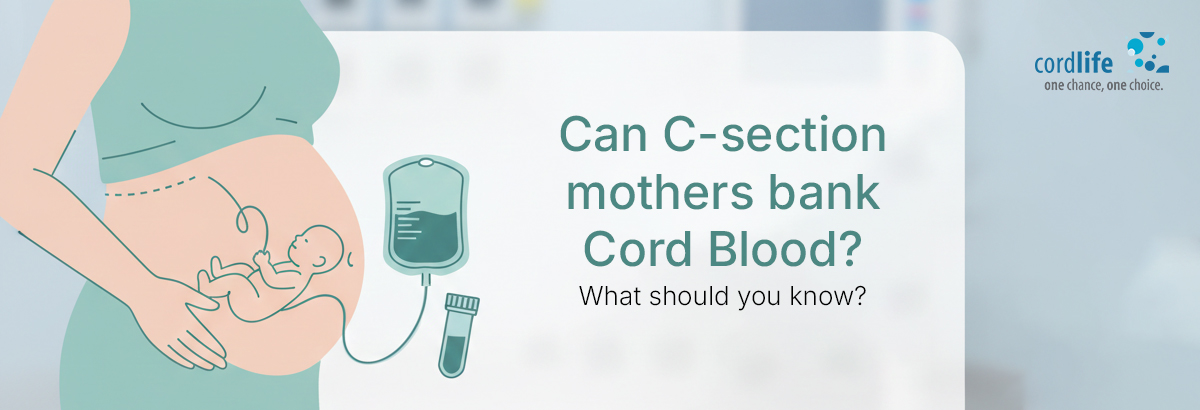
- Collection: Third, gravity or a syringe facilitates the flow of blood into a specialised collection bag.
There is a distinct technical advantage to cord blood collection during c section, because the placenta often remains inside the uterus during the initial stages. The “in-utero” method can utilise natural uterine contractions to help express more blood. This higher yield results in a greater concentration of total nucleated cells (TNC), significantly enhancing the potential success rate of future transplants.
Why Opt for Cord Blood Banking During a Caesarean?
Selecting cord blood banking for caesarean delivery provides a unique advantage in terms of logistics. Since many surgical births are scheduled, you can coordinate with your preferred cord blood bank well in advance. This preparation leads to a higher state of readiness, ensuring the collection kit is on hand and ready for your medical team before the procedure begins.
Key Statistics and Facts
- Treatable Conditions: Cord blood stem cells are currently used to treat over 80 life-threatening diseases, including leukaemia, lymphoma, and sickle cell anaemia.
- The Power of Matching: Your baby’s stem cells are a 100% match for them, and siblings have a 25% chance of being a perfect HLA match, making private banking a powerful family safety net.
- Volume Matters: C-section cord blood banking often yields up to 20% more volume than vaginal deliveries due to the efficient gravity-assisted collection technique.
By preserving this resource, you shield your child and immediate family members from a lack of donor matches. This long-term security provides invaluable peace of mind, allowing you to focus on the magic of motherhood.
Strategic Planning for Your Delivery
To ensure everything goes off without a hitch, planning for C-section cord blood banking requires just a few simple steps during your third trimester:
- Consult your obstetrician: Share your heart with them early. Ensure they are comfortable with the cord blood collection process.
- Register Early: We recommend registering by week 34 so your kit is tucked safely in your hospital bag.
- Birth Plan Integration: Explicitly mention your intent to bank cord blood stem cells in your birth plan to remind the hospital staff upon arrival.
The Long-Term Impact
The decision to move forward with cord blood banking for caesarean delivery is more than just a medical choice; it’s an investment in your child’s “biological bank account.” As medical science advances, the utility of these cells continues to expand. Your choice today to pursue cord blood banking in c section could profoundly influence the health outcomes of tomorrow, providing a medical safety net that lasts a lifetime. You’re doing a great job making these informed decisions for your family.