Table of Contents
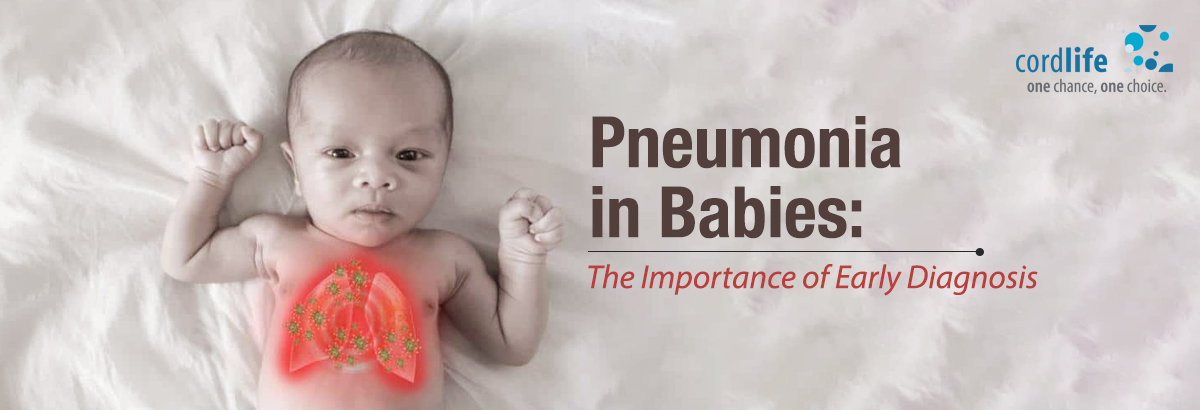
There are diseases that gradually reveal their harsh nature, among which pneumonia in babies is one. Breathing deterioration, an altered cry, or loss of energy may easily escape the parents’ notice during the first days of parenthood. However, these small signs point to a serious issue occasionally— pneumonia in babies that requires a quick response and understanding of the situation. Understanding the early signs of pneumonia in children allows you to protect infant health by ensuring immediate treatment.
Definition of Pneumonia in Babies
Pneumonia is an infection of the lungs that results in the inflamed air sacs, which subsequently lead to difficulty in breathing. Infant pneumonia is particularly dangerous as a baby’s lungs grow a lot in the first period of life. Pneumonia in neonatal babies may result from pathogens like viruses and bacteria, or hypothetically from fungi. The premise is that the immune system of babies is not fully developed, and hence they are less immune to infections than older children.
Indications of Pneumonia in Infants
The factors leading to pneumonia in infants depend on their age and environment.
The main offenders are:
- Respiratory viruses: RSV, influenza, and adenovirus
- Infectious agents like Group B streptococcus or Streptococcus pneumoniae
- Onsets of colds turning into chest infections in babies
- Inhalation, when milk or food goes through the lung route instead of the stomach
The health condition of newborns can be quite shaky, and therefore, they may catch infections at the time of delivery or very soon after; hence, the importance of newborn care should not be disregarded.
Baby Pneumonia Symptoms to Watch For
One of the biggest problems in recognising symptoms of pneumonia in young ones, mostly in babies, is that these symptoms usually look like those of a common cold. Nevertheless, certain warning signs require a call to a doctor immediately.
Major signs of baby pneumonia are:
- Rapid or difficult breathing
- Grunting or wheezing sounds
- Chest retractions (the skin pulling in between ribs)
- Fever or low body temperature
- Poor feeding or vomiting
- Extreme fussiness or lethargy
- Bluish tint around lips or nails
Parents and caregivers need to be on the lookout for lung infection symptoms in their kids, which are very likely to worsen rapidly.
The Importance of Early Diagnosis
One of the best ways to prevent infections in infants is early detection. When pneumonia in children is diagnosed early, the chances of complications are considerably diminished, and recovery is quicker. To find pneumonia, the doctor performs a physical examination, monitors breathing pattern, checks the blood oxygen level and in some cases, prescribes X-rays.
Knowing how to detect pneumonia at an early stage is a great help in getting babies the proper treatment before the infection becomes severe. Parental awareness of baby health is essential in this matter. Even small noticeable changes in the breathing pattern or behavioural pattern in the baby may require a doctor’s visit.
Pneumonia Treatment for Babies
The pneumonia treatment for babies depends on a few aspects, as follows:
1. Viral Pneumonia
Generally, rest, hydration, and monitoring are sufficient for viral infections of the respiratory system. One can get them done at home. However, at times you may have to hospitalise your baby when advised by a healthcare provider.
2. Bacterial Pneumonia
The use of antibiotics is necessary. And, if the infection is severe, it is advisable to take your baby to a hospital for treatment.
3. Supportive Care
Such care might also include oxygen therapy, IV fluids, nebulisation, and fever control.
In cases of paediatric pneumonia, the hospital stay is most common in newborns, premature babies, and infants with chronic diseases.
Pneumonia Prevention in Babies
Not everything is preventable, but quite a few measures can lower the risk of baby respiratory infections and pneumonia:
- Ensure that children get immunised on time
- Protect your baby with clean hands
- Sick people should be kept away from healthy kids
- If you can, breastfeed your child, as it will help build his/her immunity
- Stay away from the pollution, smoking, and overcrowded areas
- Keep feeding bottles and pacifiers clean
- Observe the safe sleeping and feeding practice to avoid aspiration
By performing these preventive measures, the chances of newborns’ health care will be at its best, and severe infections will hardly occur.
Why Awareness Matters
Understanding baby health issues is a powerful tool for parents and caregivers as it enables them to detect symptoms early, take the child to the doctor without delay, and observe preventive measures. Pneumonia is a condition that can very and quickly get out of hand, but most infants recover fully if the diagnosis is made in time and the right therapy is applied. Identifying the early signs of complications is a huge step towards turning what can be a fatal situation into one that is manageable.
Final Thoughts
Even though pneumonia is one of the most common childhood diseases, its effect on infants can be quite serious. Keeping an eye on symptoms, monitoring risks and administering treatment at the right time takes the load off the children. Well-informed care and early diagnosis can make the families’ journey through this obstacle one they can be confident in, and it assures them of making stronger and healthier first steps for their tiny tots.