Table of Contents
- Physiology of Pregnancy Sleep by Trimester:
- First Trimester: Fatigue and Hormonal Havoc
- Second Trimester: The Happy In-Between
- Third Trimester: Mechanical and Structural Restrictions
- Proper Sleeping Positions
- Benefits of sleeping on the side
- Ergonomic Pillow for Support
- Lifestyle Support for Good Sleep
- Conclusion
Pregnancy is a special and emotional journey filled with many important physical and bodily changes. During pregnancy, a mother’s body works constantly to support her growing baby, making quality sleep especially important. However, as pregnancy progresses, hormonal changes, physical discomfort, and a growing belly can make it harder to get the restful sleep she needs. Proper knowledge of maternal sleep, including how sleeping positions during pregnancy affect blood supply to the baby, may help a mom-to-be make informed choices concerning the health of both herself and her soon-to-be-born baby.
Physiology of Pregnancy Sleep by Trimester:
Sleep patterns can change significantly in each trimester of pregnancy. Understanding these changes can reduce worry and help mothers to find ways to sleep more comfortably.
First Trimester: Fatigue and Hormonal Havoc
In the first 12 weeks, many women experience significant bouts of pregnancy fatigue coupled with fragmented sleep throughout the night. A rise in progesterone levels during pregnancy can affect sleep patterns while also supporting a healthy pregnancy. This hormone decreases the proportion of deep, REM sleep. An increase in body fluid volume and kidney filtration leads to numerous nighttime bathroom trips, and high levels of hCG may result in nighttime nausea.
Second Trimester: The Happy In-Between
For many women, the second trimester is the most comfortable segment of their pregnancy. Nausea typically dissipates, and the growing uterus has not expanded enough to limit mobility. Sleeping on your left side can make it easier to sleep during pregnancy. However, some common symptoms such as leg cramps, vivid dreams, mild heartburn, and changes in your balance may still affect sleep.
Third Trimester: Mechanical and Structural Restrictions
In the third trimester, the growing uterus can put pressure on the lower back, hips, and pelvis, causing pain and discomfort. Shortness of breath and concern over impending labour can keep the mind buzzing, making it difficult to achieve healthy sleep and rest.
Proper Sleeping Positions
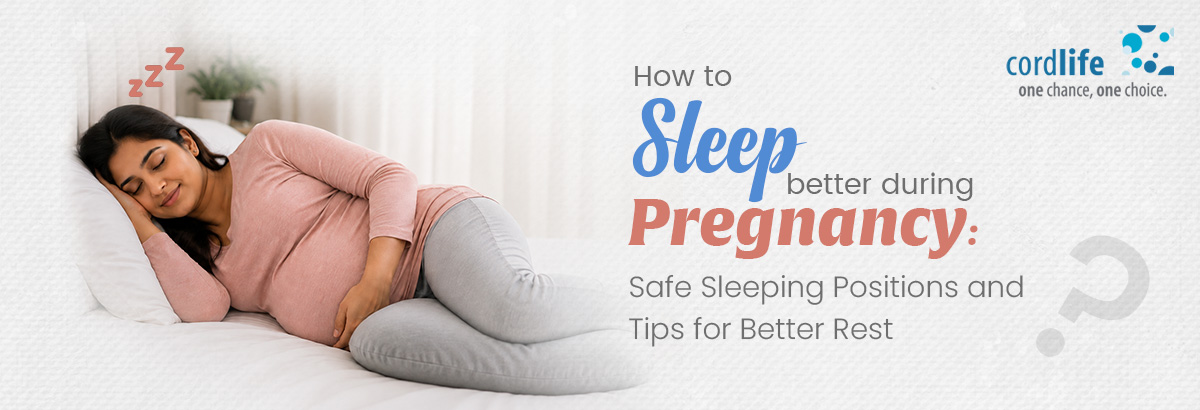
As the pregnancy progresses, a mom may need to adjust her usual sleeping position. The medical advice generally recommends sleeping on the left side after about 28 weeks of pregnancy.
Benefits of sleeping on the side
The “SOS” or “sleep on side” method is widely recommended during pregnancy. Sleeping on your side can help improve blood flow to the heart, kidneys, and placenta.
Sleeping on the left side during pregnancy may improve blood flow and reduce pressure on the inferior vena cava. It can also support kidney function and help reduce swelling in the feet and ankles. Placing a pillow between your knees can help support your spine.
If sleeping on the left side feels uncomfortable, moms may switch to other sides for better comfort.
Be mindful to avoid sleeping on the stomach. While physically uncomfortable for the mother, it potentially decreases blood flow. [3] [4] [5]
Ergonomic Pillow for Support
Using a pillow correctly can make side sleeping during pregnancy more comfortable and provide extra support.
- Inter-Knee Alignment: Slip a supportive, firm pillow between the knees, extending to the ankles. This maintains a level pelvic position.
- Abdominal Support: Tuck a flat, wedge-shaped pillow just under the curve of the stomach. This enhances the pregnancy bedtime routine by relieving pressure on the abdomen and back from downward traction.
- Lumbar Stabilisation: Lean a small pillow against the lower back to prevent rolling backwards in sleep so the spinal muscles can rest.
- Body Pillows: A C- or U-shaped pregnancy pillow takes the guesswork out of bedtime by supporting the head, abdomen, and legs. [6]
Lifestyle Support for Good Sleep
Creating supportive lifestyle habits with good sleep support during pregnancy can help minimise physiologically disrupted sleep throughout the night for would-be moms.
Diet and Evening Fluid Guidelines:
- Regulate fluid intake: Drink enough fluids throughout the day, but reduce your fluid intake about two hours before bedtime to avoid frequent bathroom trips at night.
- Limit heartburn and indigestion: Avoid high-fat, spicy, acidic or heavy foods at least 3 hours before bedtime. Frequent and smaller meals aid continuous digestion, preventing reflux into the oesophagus.
- High-magnesium evening snack: High-magnesium snacks like a small banana, a handful of almonds, or pumpkin seeds can aid muscle relaxation and prevent leg cramps throughout the night.
Promote Movement and Gentle Physical Activity
Prenatal exercises such as yoga, swimming and brisk walking can improve cardiovascular health and deeper sleep.
Consider Thermoregulation and Sleep Environment
Hormonal changes raise the maternal core body temperature. Keep the bedroom cool. Additionally, using cool, breathable fabrics such as cotton, linen, or bamboo can be rewarding.
Conclusion
Focusing on the best sleeping position during pregnancy can be the simplest form of self-care. Prioritising quality sleep ensures the mother’s body gets the downtime needed to grow and nurture a healthy baby.