Table of Contents
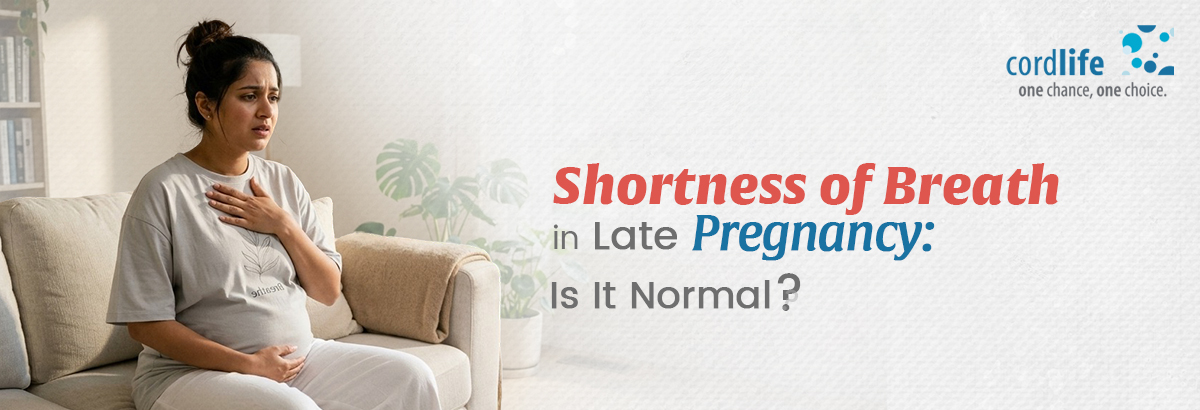
Pregnancy is a most amazing journey, and mothers get one or the other physical surprise as the weeks progress. When moving into the final stretch, or the third trimester, feeling out of breath even when walking a few steps or having a good chuckle with a friend is quite common. An estimated 60 to 70 per cent of healthy women experience breathing difficulty in the third trimester of pregnancy, a completely normal adjustment to the extra work the mother’s body does. Read on to learn why that’s normal and what to look for, and how to breathe through these changes while waiting for the baby.
Factors Causing Shortness of Breath
A two-pronged attack causes most shortness of breath in the later stages of pregnancy: hormonal changes and mechanical pressure inside the body.
The Progesterone Factor
In the first and second trimesters, even before the belly grows big enough to squeeze her lungs, the pregnancy hormone progesterone signals the brain to make her breathe more deeply. This increase in the body’s overall breathing volume, coupled with progesterone-fueled haemoglobin expansion to ensure the baby is getting adequate oxygen through the placenta, can cause breathlessness during pregnancy.
The Physical Crowding
Come the third trimester, the mother’s expanding uterus takes over more space to accommodate the growing baby. It rises toward the rib cage, putting pressure on the diaphragm, which then limits the room for the lungs to breathe in fully. The uterus often pushes the diaphragm as much as 4 cm out of its original spot. The pressure makes breathing more difficult, causing shortness of breath in late pregnancy.
Normal versus Problematic Pregnancy Shortness of Breath
Now that shortness of breath has been established as a normal pregnancy symptom in the third trimester, it’s useful to know when to contact the healthcare provider. A normal pregnancy-related shortness of breath usually has the following symptoms:
- It appears gradually, not all at once
- It happens with normal exertions such as walking up stairs or lifting things
- The mother gets relief when she sits and relaxes
- She experiences no sharp pains in the chest, neck, or throat and no racing heart
Expectant mothers should promptly get in touch with their healthcare providers if the following symptoms accompany difficulty in breathing during pregnancy:
- A suddenly developing episode of extremely shortness of breath
- Severe chest pain, pressure or high heartbeat and palpitations
- A sustained cough, if coughing blood, or wheezing
- Fever and chills, or even blueness around the fingers, lips or toes
- Sudden swellings in the face or legs
When to Worry
The following medical conditions may cause breathlessness during pregnancy:
- Pregnancy Anaemia: If the mother’s iron levels are inadequate, the blood fails to transport oxygen efficiently. This overworks the heart and the lungs and is one of the reasons why pregnant women feel breathless.
- Asthma: Already existing asthma may flare up during pregnancy, and the healthcare provider might need to change the asthma treatment plan.
- Peripartum Cardiomyopathy: This condition might lead to severe shortness of breath as a form of heart failure in late pregnancy or shortly after giving birth.
- Blood Clots: When pregnant, mothers become much more prone to blood clots as blood is hypercoagulable to avoid too much blood loss from the body when delivering the baby. A blood clot in the lungs requires urgent medical care.
Ways to Ease Breathlessness
Taking practical actions helps pregnant women maximise breathing space and improve physical comfort throughout pregnancy.
Take It Easy and Slow the Pace
Work on smaller segments and take breaks even when not exhausted. This helps expectant women to stop using all their respiratory muscles at once.
Sit Up
Maintain an upright sitting posture with your back straight and shoulders relaxed to avoid compressing your growing belly. This allows more room for the already compressed lungs to function.
Pursed-lip Breathing
Breathing softly through the nose for 2 seconds, then pursing the lips and exhaling gently through them as if blowing out a candle. This method helps with pregnancy breathlessness while also opening up the airways for an extended period.
The Belly Button Exhale
Hold one hand to the chest and another on the belly. Take a deep breath in through the nose, such that the stomach rises far more than the chest. Breathe out through the mouth in a slow and relaxed stream.
Breathe Cool
Opening nearby windows or placing a small fan nearby to blow a cool breeze against the face may be one of the quickest ways to alleviate feelings of air hunger.
Establish a Sense of Calm
Consciously loosen up the shoulders and neck muscles, or imagine a relaxing scene or start counting at a slow pace as if meditating.
Conclusion
Pregnancy is incredibly challenging physically. Slowing down, maintaining good posture, and breathing exercises can help ease discomfort. However, if breathing problems are severe, appear suddenly or are associated with other worrying signs, seek medical help urgently. Never hesitate to discuss any breathing concerns with your healthcare provider, however minor they may seem.