

What are cord blood stem cells?
The umbilical cord is a tube-like structure connecting the foetus to the placenta in mother's womb, providing nutrients and removing waste from baby. Cord blood, which is also called "placental blood", is blood that remains in the umbilical cord and placenta following the birth of a baby and after the umbilical cord is cut after delivery. Through the science of cord blood banking, cord blood can help nurture life, long after a baby's birth and provide a source of stem cells should the need ever arise for a stem cell transplant. This is because cord blood is a rich source of stem cells known as haematopoietic stem cells (HSCs). These HSCs are primarily responsible for replenishing blood and regenerating the immune system.
Cord blood stem cell transplants are used in the following ways:

Replace and regenerate damaged or diseased bone marrow

Correct genetic defects (sibling/allogeneic transplantation)

Potential for cellular therapy and regenerative medicine

Treatment for blood cancers
HSCs have the unique ability to differentiate into various cell types found in blood as depicted in the diagram below:
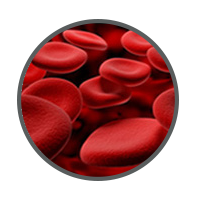
Red Blood Cells
Carry oxygen to all cells in the body
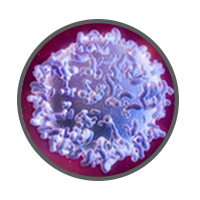
White Blood Cells
Fight infection
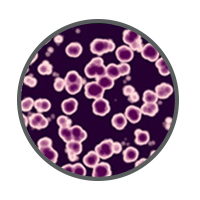
Platelets
Assist blood clotting in the event of injury
Subscribe to our newsletter